
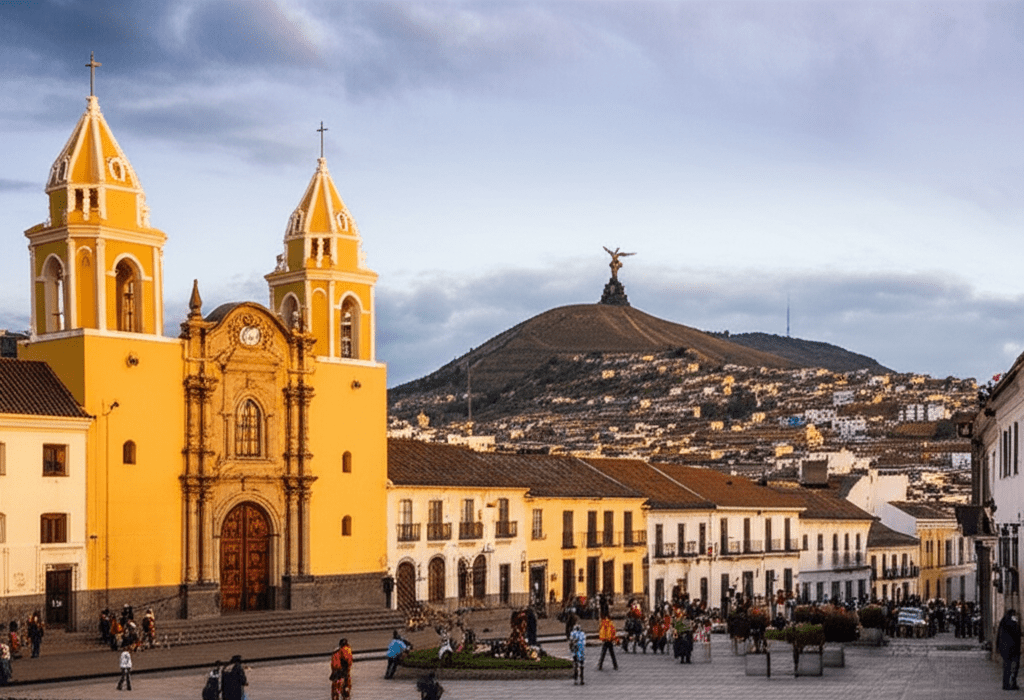
Quito’s Andean Embrace: A Tourist’s Unforgettable Journey Through History, Altitude, and Culture!
Nestled high in the majestic Andes, Quito, Ecuador, is a city that truly steals your breath away – sometimes literally, thanks to its impressive altitude! As a recent traveler, I can confidently say that this UNESCO World Heritage gem offers an unparalleled blend of colonial grandeur, vibrant culture, and natural beauty. If you’re planning a trip to Ecuador, here’s everything you need to know for an ideal, unforgettable experience in its captivating capital.
Getting There & Around: Transfers & Local Transport
Arriving in Quito is straightforward, with several reliable options from Mariscal Sucre International Airport (UIO) to the city center.
- Airport Transfers:
- Taxi: Official airport taxis are safe and metered, expect to pay around $25-30 USD to most central areas.
- Uber/Ride-Sharing: Available and often slightly cheaper, typically $20-25 USD. Ensure you have a local SIM or Wi-Fi to book.
- Aeropuertos Quito Bus: A more budget-friendly option, this express bus takes you to the old airport terminal (north of the city center), from where you can take a taxi or public transport. Costs around $8-10 USD.
- Getting Around the City:
- Taxis: Plentiful. Always use licensed taxis (orange plates, meter) or agree on a price beforehand.
- Uber/Cabify: Convenient and generally safer, as your ride is tracked.
- Public Buses (Trolebús, Ecovía): Extensive network covering the city, very affordable at $0.35 USD per ride. Can be crowded, especially during peak hours. Great for experiencing local life but keep an eye on your belongings.
Stepping Back in Time: Historical Wonders
Quito’s historic center is one of the largest and best-preserved in Latin America, earning its UNESCO World Heritage status. Prepare to be amazed!
- Old Town (Centro Histórico): Spend at least a full day (or two!) just wandering its cobblestone streets. It’s largely walkable and every corner holds a surprise. Admission: Free to explore.
- Plaza Grande (Plaza de la Independencia): The heart of the Old Town, surrounded by significant buildings like the Presidential Palace, the Cathedral, and the Archbishop’s Palace. Admission: Free.
- La Compañía de Jesús Church: Often considered the most beautiful church in Ecuador, its interior is an astonishing display of gold leaf, intricate carvings, and Baroque art. A must-see! Entrance Fee: Approximately $5-6 USD.
- Basílica del Voto Nacional: A stunning Neo-Gothic basilica. Don’t just admire it from the outside; climb its towers for breathtaking panoramic views of the city (and spot some unique gargoyles – think local animals!). Entrance Fee: $2-3 USD for ground access, $4-5 USD for tower climb.
- El Panecillo (Virgin of Quito): A hill topped with a massive statue of the Winged Virgin. Offers incredible views, especially at sunset. It’s best to take a taxi up for safety. Admission: Free to view from outside, small fee for monument entry ($1-2 USD).
- Mitad del Mundo (Middle of the World): About an hour north of the city, this monument marks the Equator. There are two main sites: the official monument and the Intiñan Museum (which offers more interactive demonstrations of equatorial phenomena). Transport: Tour buses or taxi from city center (approx. $10-15 USD one way). Entrance to complex: $5 USD, Intiñan Museum: $4-8 USD.
Cultural Deep Dive: Museums
Quito’s museums offer a glimpse into its rich history, art, and indigenous cultures.
- Museo de la Ciudad (City Museum): Housed in a former hospital, it chronicles Quito’s history from pre-Inca times to the present. Entrance Fee: $3-4 USD.
- Casa del Alabado: A beautiful museum dedicated to pre-Columbian art, showcasing artifacts from Ecuador’s ancient cultures. Entrance Fee: $6-8 USD.
- Capilla del Hombre (Chapel of Man): Dedicated to the work of celebrated Ecuadorian artist Oswaldo Guayasamín. A powerful and moving experience. Entrance Fee: $8-10 USD (includes entry to his adjacent house-museum).
A Taste of Ecuador: Restaurants & Cuisine
Ecuadorian food is hearty, flavourful, and diverse. Don’t leave without trying some local specialties!
- Traditional Delights: Look for locro de papa (potato and cheese soup), encebollado (fish soup, great for hangovers!), fritada (fried pork), and empanadas de viento (fluffy fried empanadas).
- La Ronda: This historic pedestrian street in the Old Town is lined with charming restaurants and artisan shops. Great for an evening meal with a lively atmosphere.
- Recommended Restaurants:
- Achiote Ecuador Cuisine: A popular choice for traditional Ecuadorian dishes with a modern twist. Main courses: $10-20 USD.
- Local ‘Huecas’ (Holes in the Wall): For budget-friendly and authentic experiences, explore smaller, local eateries, especially for lunch menus (almuerzos) which include soup, main, and a drink for $3-6 USD.
- Fine Dining: For a splurge, consider URKO Cocina Local or Zazu, both offering innovative Ecuadorian and international cuisine. Main courses: $20-40+ USD.
Quito’s Pulse: Nightlife & Entertainment (No Beaches!)
It’s important to note: Quito is high in the Andes, so there are NO beaches! If you’re looking for sun and sand, you’ll need to head to the Pacific coast (e.g., Manta, Salinas) or the Galapagos Islands.
However, Quito’s nightlife is vibrant and offers plenty of options for a fun evening.
- La Mariscal (Foch Plaza): This is the city’s main entertainment district, bustling with bars, clubs, and discotecas. Expect a lively international crowd and locals. Cover charges: $5-10 USD. Drinks: $5-10 USD.
- La Floresta: A more bohemian and relaxed neighborhood, known for its independent cafes, craft breweries, and art-house cinemas. Great for a more low-key evening.
- Live Music: Many bars, especially in La Ronda and La Mariscal, feature live music, often showcasing traditional Ecuadorian folk music or Latin American rhythms.
Essential Travel Tips for an Ideal Trip
- Altitude Sickness: Quito sits at approximately 2,850 meters (9,350 feet). Take it easy on your first day, stay hydrated, avoid heavy meals and alcohol initially, and consider coca tea (mate de coca), which is widely available.
- Best Time to Visit: Quito has a fairly consistent climate year-round, but the dry season (June-September) generally offers sunnier days and less rain, making it ideal for sightseeing.
- Currency: The official currency of Ecuador is the United States Dollar (USD).
- Safety: Like any large city, be aware of your surroundings. Keep valuables secure, avoid walking alone at night in dimly lit areas, and use licensed taxis or ride-sharing apps. The Old Town is generally safe during the day, but exercise caution after dark.
- Language: Spanish is the official language. Learning a few basic phrases will greatly enhance your experience, though many people in tourist areas speak some English.
- Recommended Duration: I’d recommend at least 3-5 full days to explore Quito thoroughly, allowing time for historical sites, museums, and a day trip to Mitad del Mundo.
Quito is a city that truly gets under your skin – its history, its people, its breathtaking setting. My journey there was an absolute highlight, and I can’t recommend it enough for anyone looking for a unique and enriching travel experience!