
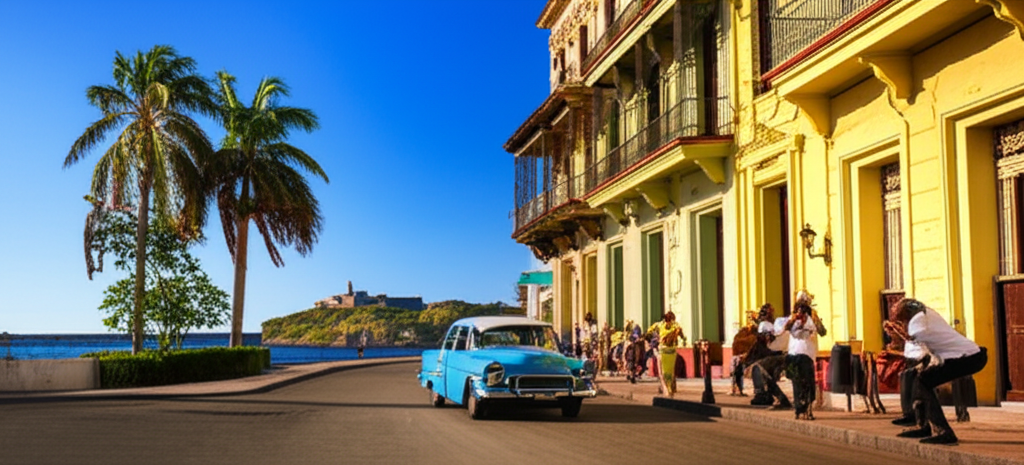
Santiago de Cuba: My Unforgettable Journey into Cuba’s Soul
Santiago de Cuba: My Unforgettable Journey into Cuba’s Soul
Stepping into Santiago de Cuba felt like walking into a living, breathing history book, infused with the rhythmic pulse of Afro-Cuban culture. As a traveler who loves authentic experiences, this city completely captivated me. From its revolutionary past to its vibrant street life and stunning natural beauty, Santiago offers an adventure unlike any other. If you’re planning a trip, here’s my comprehensive review to help you craft your ideal Santiago experience!
Getting There & Around: First Steps in Santiago
Arrival at Santiago de Cuba Airport (SCU)
I flew directly into Antonio Maceo Airport (SCU). It’s a small, manageable airport. From there, a taxi is your best bet to get into the city center. Expect to pay around 20-25 USD for the ride, which takes about 20-30 minutes. Make sure to agree on the price before you start the journey.
Navigating the City
- Walking: The historical center is very walkable, and honestly, it’s the best way to soak in the atmosphere, discover hidden gems, and interact with locals.
- Taxis: Readily available. For longer distances or when you’re tired, official taxis are reliable. A short ride within the city shouldn’t cost more than 5-10 USD. Always negotiate the price beforehand.
- Bicitaxis: These bicycle taxis are charming for shorter distances and a fun experience. Expect to pay around 2-5 USD for a ride, depending on the distance.
- Collectivos (Shared Taxis): For a more local experience and cheaper fares (around 1-2 USD per person for longer routes), look for classic American cars operating on fixed routes. Just flag one down and tell them your destination.
Historical Heartbeats: A Journey Through Time
Santiago is the cradle of Cuba’s revolution and its history is palpable everywhere.
Castillo de San Pedro de la Roca (El Morro)
Absolutely unmissable! This UNESCO World Heritage site is a magnificent fortress overlooking the bay. The views are breathtaking, especially at sunset. Inside, you can explore the various levels, dungeons, and a small museum. Allow 2-3 hours.
Entrance Fee: Approximately 8-10 USD.
Parque Céspedes & Surrounds
The heart of Santiago! This central park is always bustling with activity. Surrounding it are some of the city’s most iconic buildings:
- Catedral de Nuestra Señora de la Asunción: A stunning cathedral dominating the park.
- Casa de Don Diego Velázquez: The oldest standing house in Cuba (more details in the museum section).
- Hotel Casa Granda: A classic hotel with a great balcony for people-watching.
Just sitting on a bench here, watching life unfold, is an experience in itself.
Cementerio Santa Ifigenia
This national monument is the resting place of many Cuban heroes, including Fidel Castro, José Martí, and Mariana Grajales. The changing of the guard ceremony at José Martí’s mausoleum is very moving and happens every 30 minutes. You’ll typically be assigned a guide who will explain the cemetery’s significance.
Entrance Fee: Around 5 USD (often includes a guide).
Museo Histórico 26 de Julio (Moncada Barracks)
The site of Fidel Castro’s infamous attack on July 26, 1953, which is considered the start of the Cuban Revolution. The museum inside offers a fascinating, albeit Cuban-centric, account of the events.
Entrance Fee: Roughly 3-5 USD.
Cultural Deep Dive: Museums & Art
Casa Velázquez (Museum of Colonial Art)
Located right on Parque Céspedes, this is the oldest house in Cuba, built around 1516 by Diego Velázquez, the first governor. It’s now a museum showcasing colonial life and architecture. Fascinating insights into early Cuban history.
Entrance Fee: Approximately 3-5 USD.
Museo del Carnaval
Santiago is renowned for its vibrant carnival, and this museum celebrates its history, costumes, and music. If you’re not there during carnival season (July), this is the next best thing to experience its energy.
Entrance Fee: Around 2-3 USD.
Savoring Santiago: Culinary Delights
Cuban food is hearty, flavorful, and incredibly diverse in Santiago!
Local Paladares & Authentic Flavors
For truly authentic and affordable meals, seek out the private restaurants known as paladares. Many operate out of homes and offer incredible home-cooked food. My favorites included:
- St. Pauli: A cozy paladar known for its excellent seafood and friendly service. Dishes range from 10-20 USD.
- Salon Tropical: Great ambiance and live music often accompany traditional Cuban dishes. Expect to pay 15-25 USD per person for a main course and drink.
Typical Meal Prices:
- Basic local meal (rice, beans, pork/chicken): 5-10 USD
- Mid-range paladar with a drink: 15-25 USD
- Higher-end tourist-oriented restaurant: 25-40+ USD
A refreshing Cristal or Bucanero beer usually costs around 2-4 USD.
Street Food
Don’t shy away from street vendors! Try a ‘pizza cubana’ (thick crust, lots of cheese), ‘frituras’ (fried plantain fritters), or fresh fruit for a couple of dollars.
Sun & Sand Escapes: Nearby Beaches
After all that history and culture, a beach day is a must!
Playa Siboney
Located about 30 minutes east of Santiago, Siboney is a popular local beach with dark sand. It’s lively, especially on weekends, with local eateries and music. You can rent chairs and umbrellas for about 2-5 USD.
Playa Daiquirí
A bit further east (around 40-50 minutes), this beach is famous for its crystal-clear waters and golden sands. It’s generally quieter than Siboney, offering a more relaxing experience. Great for swimming and snorkeling.
Getting to the Beaches
You can catch a local bus from near Parque Céspedes (very cheap, around 1-2 USD but can be crowded) or take a taxi (around 15-20 USD one-way to Siboney, more for Daiquirí). If you can find a shared taxi, it will be cheaper.
Santiago by Night: Rhythms & Revelry
Santiago comes alive at night with music spilling from every corner. It’s the birthplace of son and bolero, and you’ll feel it!
Casa de la Trova
This is legendary! An iconic venue where you can experience traditional Cuban music live every night. Expect incredible musicians, dancing, and an electric atmosphere. There might be a small cover charge (2-5 USD) or just a tip jar for the musicians, plus drinks at typical bar prices.
Clubs & Live Music Venues
- Patio de Artex: Often features live bands, from traditional to contemporary Cuban music, with an open-air courtyard. Cover charge might be 5-10 USD, sometimes including a drink.
- Casa de las Tradiciones: Another excellent spot for live traditional music and dancing, often more intimate than Casa de la Trova. Small entrance fee or tip expected.
- Discoteca La Claqueta (Hotel Santiago): For a more modern club experience, head to the Hotel Santiago de Cuba. Drinks are pricier here (5-8 USD per cocktail).
Practical Tips for an Ideal Trip
Currency & Payments
Cuba primarily uses the Cuban Peso (CUP). As a tourist, you’ll often pay in CUP for local services but might be asked for USD for private taxis, casas particulares, and some paladares. Always carry small denominations of CUP and USD. Credit cards are accepted in major hotels and some state-run businesses, but cash is king. There are ATMs, but they can be unreliable. **Bring enough cash (USD or Euros) to exchange.**
Accommodation (Casas Particulares)
I highly recommend staying in a Casa Particular (private homestay). It’s the best way to experience Cuban hospitality, get local tips, and support local families. Rooms are usually clean, comfortable, and often include breakfast. Expect to pay around 25-40 USD per night for a good room.
Safety & Etiquette
Santiago is generally safe, but like any city, be aware of your surroundings, especially at night. Petty theft can occur. Dress respectfully, and always ask before taking photos of people. Learning a few Spanish phrases goes a long way!
Best Time to Visit
The dry season, from November to April, offers pleasant weather (less humidity, lower chance of rain). July is the time for the famous Santiago Carnival, but it’s very hot and crowded. I visited in March, and the weather was perfect!
Language
Spanish is the official language. While some people in tourist areas might speak a little English, having a translation app or a phrasebook is invaluable for deeper interactions.
My Verdict: Santiago de Cuba, Unforgettable!
Santiago de Cuba is raw, real, and bursting with soul. It’s a city that challenges you, charms you, and leaves an indelible mark. From its profound history to its intoxicating music and the warmth of its people, every moment was a discovery. If you’re looking for an authentic Cuban adventure, beyond the resorts of Varadero, Santiago de Cuba is calling. Pack your dancing shoes, your curiosity, and prepare to fall in love!